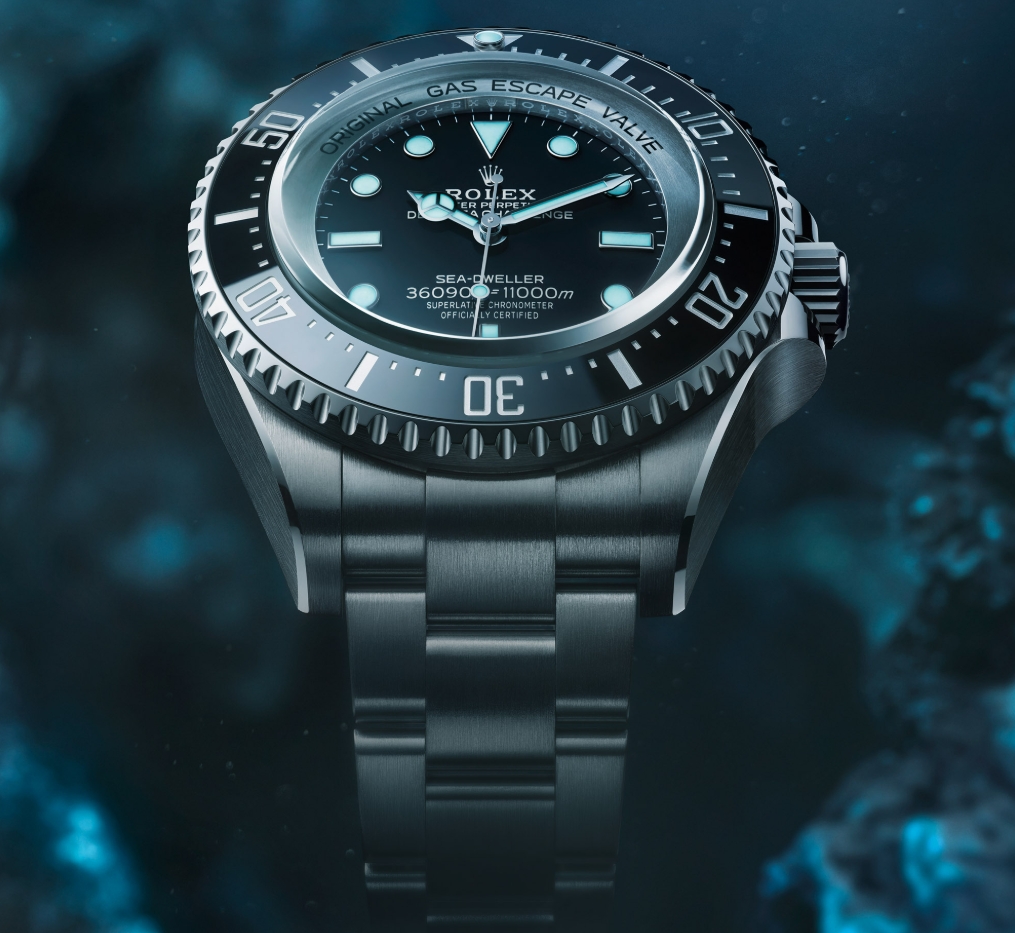
The Rolex Deepsea Challenge is difficult to mistake for an ordinary diving watch. Its 50mm case, dark dial and broad rotating bezel give it an imposing appearance, but the real story lies beneath the surface. Rolex developed the watch around the demands of extreme underwater pressure, using lightweight RLX titanium and a specialised case construction rather than relying on size alone.
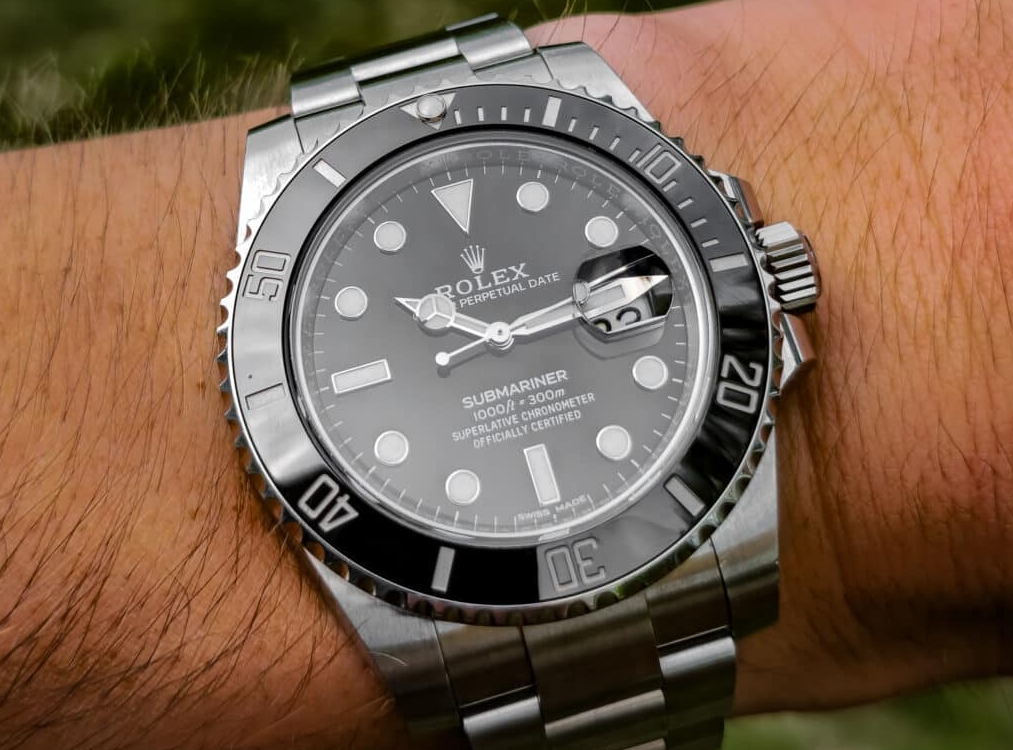
For readers exploring Rolex replica watches, the Deepsea Challenge provides an interesting alternative to familiar designs such as the Submariner and GMT Master II. It has a more industrial character, with a thick case, pronounced bezel and substantial bracelet. These elements make the watch visually distinctive, but they also mean that proportion and finishing matter more than they might on a simpler sports watch.
The original model was unveiled in 2022, drawing on the experimental Rolex watch that accompanied James Cameron’s descent into the Mariana Trench in 2012. That history gives the Deepsea Challenge a clear purpose. It was developed around a demanding technical problem, and its appearance reflects that purpose rather than following fashion alone.
A Large Titanium Case with a Practical Purpose
The 50mm case is the first detail most people notice. It is considerably larger than many everyday sports watches, and it will not suit every wrist. Yet the size is closely connected to the engineering required for an extreme depth rating.
Rolex chose RLX titanium for the genuine watch. The material offers a useful balance of strength, corrosion resistance and relatively low weight. Its satin finished surfaces also give the case a different character from polished stainless steel, while the more defined edges around the lugs add contrast without making the design look unnecessarily decorative.
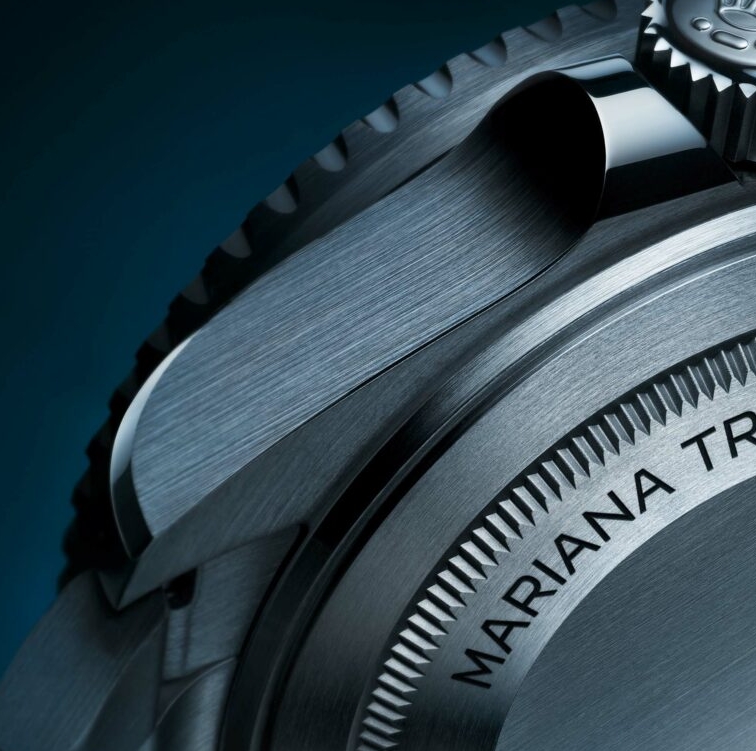
This combination is worth examining when looking at a Replica Rolex Deepsea Challenge titanium watch design. The important question is not simply whether the case looks large enough. Its side profile, bezel height, lug shape and connection to the bracelet all affect the overall impression. If one part looks too heavy or the proportions feel unbalanced, the design can lose the purposeful character of the original.
The size also has a practical downside. A 50mm watch occupies considerable space on the wrist, even when its case material helps reduce weight. For someone considering the design as an everyday style reference, that is worth remembering. The Deepsea Challenge is an extreme professional diving watch, not a discreet alternative to a conventional three hand sports model.
Ringlock Engineering and the 11000 Metre Rating
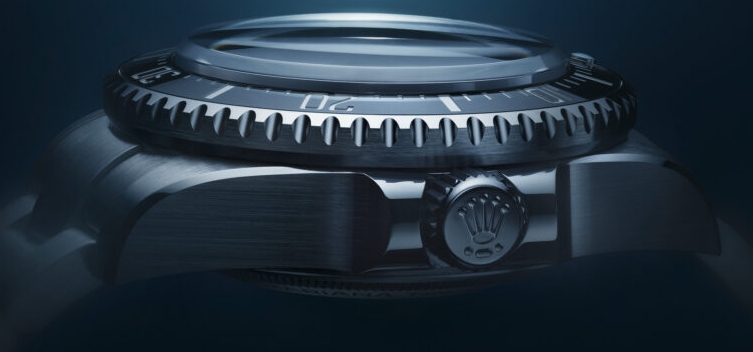
The most significant feature of the genuine Deepsea Challenge is its Ringlock case architecture. This system was developed to help the watch withstand the enormous pressure found at extreme underwater depths. It combines a thick sapphire crystal, a high performance compression ring inside the case and a titanium case back.
The pressure bearing ring in the genuine model is made from nitrogen alloyed steel. The crystal is approximately 9.5mm thick, while the case back screws directly onto the middle case. A helium escape valve is also fitted for the specialised conditions associated with saturation diving.
Rolex rates the Deepsea Challenge for a depth of 11000 metres and tests each watch to a pressure equivalent to 13750 metres, providing a 25 percent safety margin. Those figures reflect a carefully engineered and tested product. They are not specifications that can be transferred to another watch simply because it has a similar case shape.
This distinction matters when discussing extreme depth dive watch engineering. A thick case, screw down crown or substantial bezel may create a similar visual impression, but none of these features proves that a watch can withstand comparable pressure. Water resistance depends on the complete construction, the condition of its seals and appropriate testing.
For that reason, a replica inspired by the Deepsea Challenge should be assessed separately from the genuine model. Similar styling does not establish the presence of the Ringlock system, and a replica should never be assumed safe for diving at extreme depths.
The Black Ceramic Bezel and High Contrast Dial
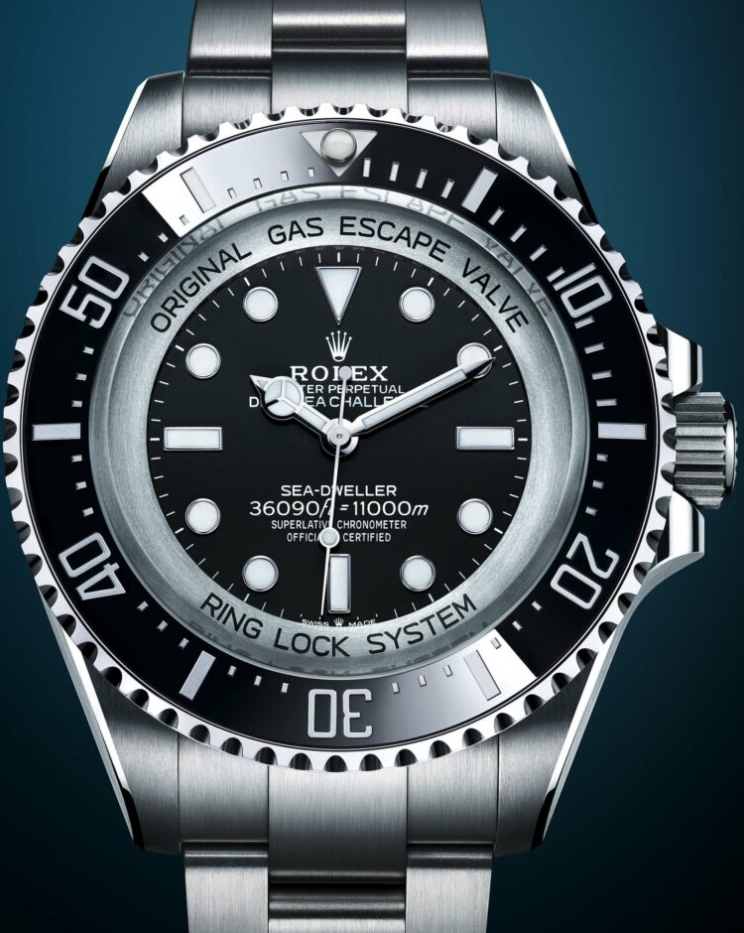
The genuine watch uses a black Cerachrom ceramic bezel insert with a 60 minute scale. Its recessed numerals and graduations are coated with platinum, and the textured edge provides grip when the bezel needs to be turned. The black finish also creates a clear frame around the dial, reinforcing the watch’s technical appearance.
The dial follows the same straightforward approach. Large hour markers, clearly differentiated hands and Rolex’s Chromalight display prioritise legibility. There is little decorative clutter, which makes sense for a watch whose original purpose is tied to reading the time in demanding conditions.
When looking at Rolex Deepsea Challenge black ceramic bezel details, small differences can have a noticeable effect. The spacing of the minute markings, the shape of the numerals and the relationship between the bezel and dial all contribute to the overall balance. The same applies to the size of the hour markers and the positioning of the hands.
These are useful visual points of comparison for replica watch readers, but they should not be confused with evidence of identical materials. A dark insert that resembles ceramic is not proof that it uses the same material as the genuine Cerachrom component. Likewise, a similar looking dial does not establish that the luminous material or its performance is equivalent.
The Titanium Oyster Bracelet and Its Details
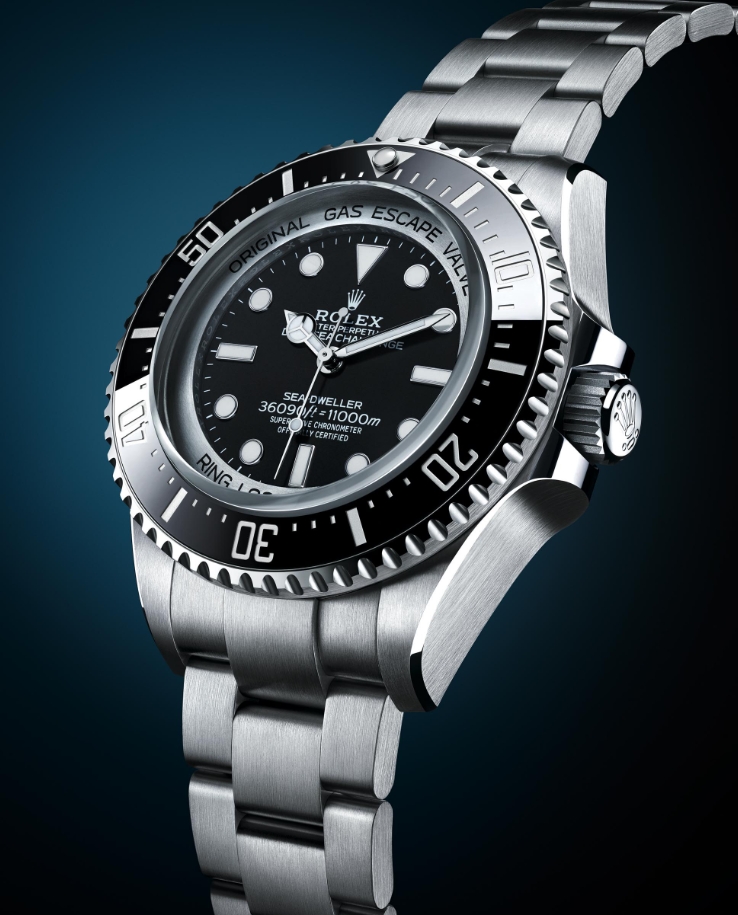
The bracelet is an important part of the Deepsea Challenge’s identity. The genuine watch uses a three link Oyster bracelet made from RLX titanium, giving it a consistent appearance with the case while keeping weight under control.
Rolex also equips the original bracelet with its Oysterlock safety clasp, Glidelock adjustment system and Fliplock extension link. These features allow the bracelet to be adjusted and extended for use over a diving suit. Ceramic inserts inside the links are designed to help reduce premature wear and improve flexibility.
From a design perspective, the transition between the case and bracelet deserves attention. The width of the first links, the taper towards the clasp and the finish across the bracelet can change how substantial the watch appears. A bracelet that looks too narrow or has poorly balanced links can make an otherwise convincing case feel disconnected from the rest of the watch.
Readers interested in Rolex Deepsea Challenge bracelet proportions can explore more designs in our Rolex Deepsea replica watches category. The genuine model offers a useful visual reference, but similar external styling does not prove that a replica uses RLX titanium, ceramic link inserts or the same adjustment mechanisms.
Movement Specifications Should Be Treated Separately
The genuine Deepsea Challenge is powered by Rolex calibre 3230, an automatic mechanical movement with an approximately 70 hour power reserve. It incorporates the Chronergy escapement and Parachrom hairspring, along with other features designed to support precision, efficiency and resistance to shocks and magnetic fields.
These specifications belong to the original Rolex watch. They should not be assigned to a replica without reliable evidence identifying the movement actually fitted. Two watches can share a similar dial and case while using entirely different mechanisms inside.
The same principle applies to reliability and water resistance. Marketing terms such as AAA, 1:1 or top quality do not independently verify a movement’s construction, its accuracy or the pressure a watch can withstand. A more useful assessment separates visible design details from technical claims that require testing.
For readers researching a Replica Rolex Deepsea Challenge watch, this distinction makes comparisons more meaningful. Case finishing, dial layout, bezel markings and bracelet construction can be assessed visually. Movement performance, material composition and waterproofness need separate evidence.
A Distinctive Design within the Rolex Diving Watch Family
The Deepsea Challenge occupies a different place from the Submariner and the standard Deepsea. The Submariner is known for its comparatively versatile proportions, while the Deepsea offers a thicker case and a more substantial professional diving watch appearance. The Deepsea Challenge takes that approach further through its 50mm titanium construction and extreme depth rating.
That makes it an interesting design to follow, even for readers who would not choose such a large watch for everyday wear. Its proportions are closely linked to its intended purpose, and its combination of titanium, a black ceramic bezel and a high contrast dial gives it a character that is difficult to confuse with other Rolex models.
The most useful replica comparisons therefore go beyond a logo or a list of advertised specifications. They look at how the case, bezel, dial and bracelet work together, while keeping the genuine watch’s engineering claims separate from the characteristics of any replica interpretation.
The Deepsea Challenge is ultimately more than an oversized dive watch. It is an example of how a specific technical challenge can shape a watch’s materials, dimensions and appearance. Understanding that relationship provides a much stronger basis for discussing its design than relying on generic claims about quality.
Zodiac Watch is an independent publication and is not affiliated with or endorsed by Rolex SA. References to RLX titanium, Ringlock, Cerachrom, calibre 3230 and 11000 metre water resistance describe the genuine Rolex Deepsea Challenge unless explicitly stated otherwise.